
A New Renter's Guide to Leases
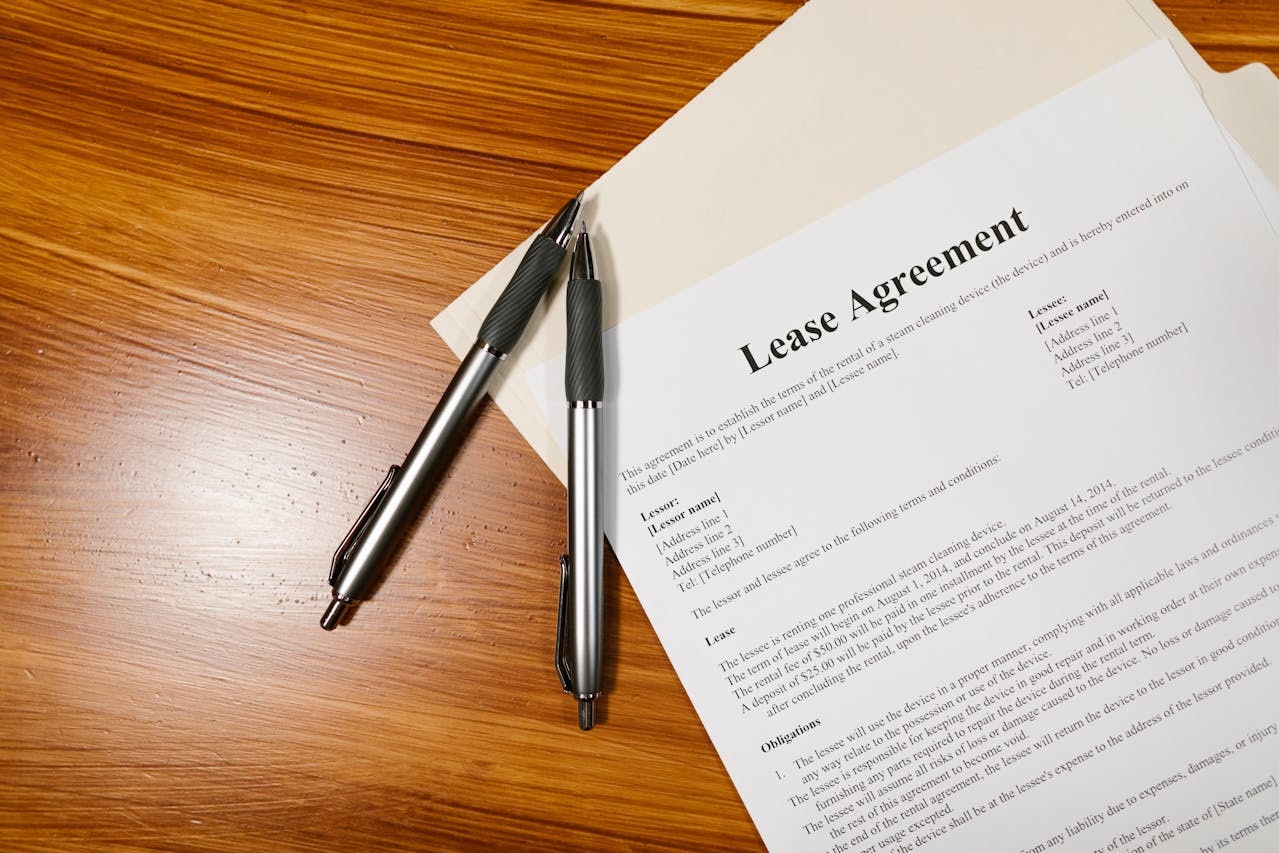
From Overwhelm to Understanding
Signing a rental agreement for the first time can feel pretty intimidating. After all, that multi-page document filled with legal jargon is a binding contract-- one that will govern your living situation for months or even years. Understanding a lease before you sign protects you from unexpected costs, clarifies your rights as a tenant, and helps you avoid situations that could jeopardize your security deposit or even living arrangement.
Lease Term Basics
Every lease specifies its duration and the conditions under which it can be terminated. Most residential leases are either fixed-term (typically 12 months) or month-to-month. A fixed-term lease provides stability but usually requires you to pay rent for the entire term even if you need to leave early, unless the lease includes specific break clauses or subletting provisions. Look for language about lease renewal, rent increases, and how much notice you must provide if you don't plan to renew. Many leases automatically convert to month-to-month after the initial term ends, but some require you to sign a new agreement. Understanding these terms helps you plan ahead and avoid being locked into an unfavourable situation.
Rights and Responsibilities
Your lease will outline both your responsibilities and your landlord's for property maintenance and repairs. Generally, landlords must ensure the property is habitable, including maintenance of major systems like heating and plumbing, and handle structural repairs. Tenants typically handle day-to-day cleanliness, minor maintenance like changing light bulbs, and reporting problems promptly. The lease should explain how to request repairs and what timeline the landlord must follow. Understanding these boundaries prevents disputes— you'll know when you're expected to handle something yourself versus when you can legitimately demand that your landlord take action.